
Tokuyama was established in 1918 in Tokuyama City (currently Shunan City), Yamaguchi Prefecture, with the goal of domestic production of soda ash, which was then dependent on imports. In addition to traditional basic materials like chemicals and cement, the company has expanded its business into electronic advanced materials field such as polycrystalline silicon for semiconductors, life sciences field like eyeglass lens materials and dental materials, and eco business field. Domestic manufacturing bases are located at the Tokuyama Factory and the Kashima Factory, with the Tokuyama Factory—the main factory—manufacturing about 80% of products. In 2020, the company launched the company-wide project, Tokuyama DX (TDX), to adapt to changes in the external environment and improve corporate value. TDX focuses on strengthening operations at the Tokuyama Factory, aiming to achieve "unmanned night operation of plant (operation with the minimum number of personnel required by the four security laws)" and "zero unplanned shutdowns" by fiscal 2030.
Amid pressures like a shrinking labor population, carbon neutrality, and globalization, TDX promotes a transformation into data-driven operations through both top-down and bottom-up initiatives. To address whether the business can survive and thrive as the labor force decreases, digitalization and efficiency—including the inheritance of technical skills—are essential.
This interview features Yoshifumi Mori, General Manager of the Equipment Diagnostics Team in the Equipment Management Group, who leads the efforts for stable operation with minimum workload and efficiency in plant maintenance tasks.
Data Silos as a Barrier to DX
To improve efficiency through digitalization, data integration had to be addressed first. The Tokuyama Factory has nine manufacturing departments, each using different systems and managing data individually. Furthermore, many tasks depend on individual experience and manual labor, with operation and maintenance information scattered or existing only on paper. To enable rapid, data-based decision-making like predictive maintenance and AI utilization, it was urgent to digitalize information and aggregate data dispersed across departments—siloed—into an integrated platform.
Key Factors for Cognite Data Fusion Selection: Speed, Connectivity, and AI
While searching for an effective data integration platform, the company encountered Cognite Data Fusion. Delays in integrating diverse manufacturing and maintenance data would slow the entire project. Three points were prioritized when selecting the platform:
- Speedy Data Integration (Eliminating Data Silos)
Integrating and structuring all data—including drawings, P&IDs (piping and instrumentation diagrams), operation data, and inspection/maintenance records—to create an environment where the field can access it immediately is the first step of DX. Cognite's unique contextualization technology allows for short-term data integration without manual labor, which was a decisive factor for the company with vast data volume. - High Connectivity with Existing Systems
Cognite Data Fusion can flexibly link with existing systems via APIs and SDKs, meaning the burden of modifying current systems is extremely low. The ability to significantly reduce the effort and time required for implementation was a major advantage. - Utilization of AI Agents Rooted in In-House Data
By using Cognite's industrial AI, Cognite Atlas AI™, they can build AI agents familiar with Tokuyama's equipment and operations based on integrated OT, IT, and engineering data. This reduces the effort for data searching and improves the quality of operations.
Tokuyama evaluated these benefits comprehensively and decided to implement Cognite Data Fusion in March 2025.
Implementation Process and Future Outlook with Cognite Data Fusion
To ensure steady results, the project is proceeding in two phases:
In Phase 1, data was linked for two departments—Chemical Products Department 1 and the Cement Department—including time-series operation data, equipment info, maintenance history (CMMS), P&IDs/flow sheets, SharePoint documents, and 3D point cloud/panorama data.
Phase 2 will expand to the remaining seven manufacturing departments and add data from the rotating equipment diagnosis reporting system. By eliminating data silos, they are solidifying the foundation for company-wide transformation. Currently, operation and maintenance still rely heavily on human experience, but the introduction of Cognite Data Fusion automatically links equipment and data, improving information reliability and enabling objective, data-driven decision-making.
Furthermore, digitalization of inspection tasks using Cognite's field application, Cognite InField, has also begun. Cognite InField allows daily inspections via mobile checklists, uploading photos/videos, and real-time progress tracking. This digitalization aims to prevent missed checks and identify the causes of equipment trouble quickly by accumulating daily data. Additionally, field workers can instantly reference time-series data, manuals, and 3D models linked to specific equipment via mobile devices, greatly improving survey efficiency.
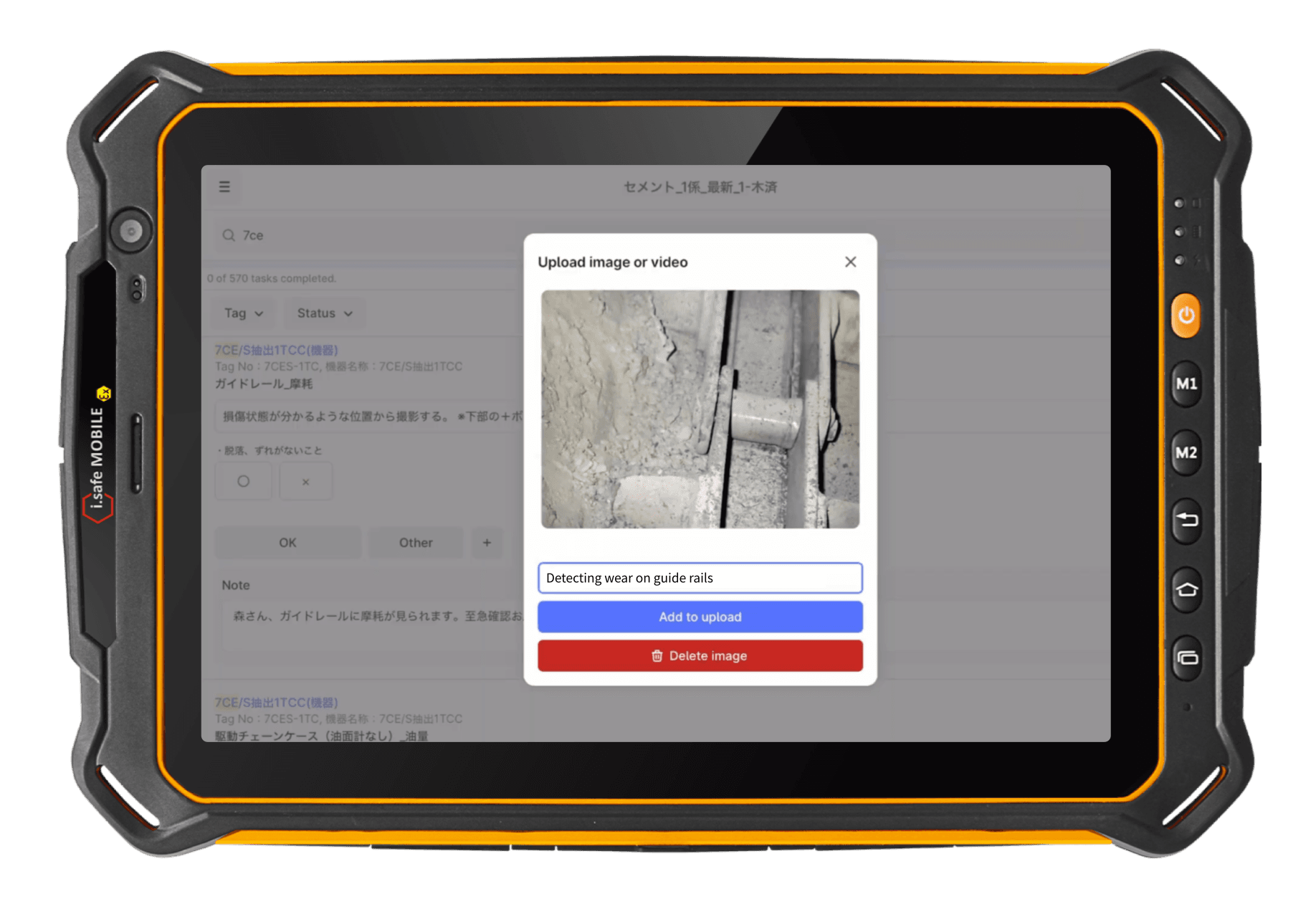
They are also testing an environment where anyone can instantly obtain necessary information through interactive communication with Cognite Atlas AI™, regardless of IT literacy.
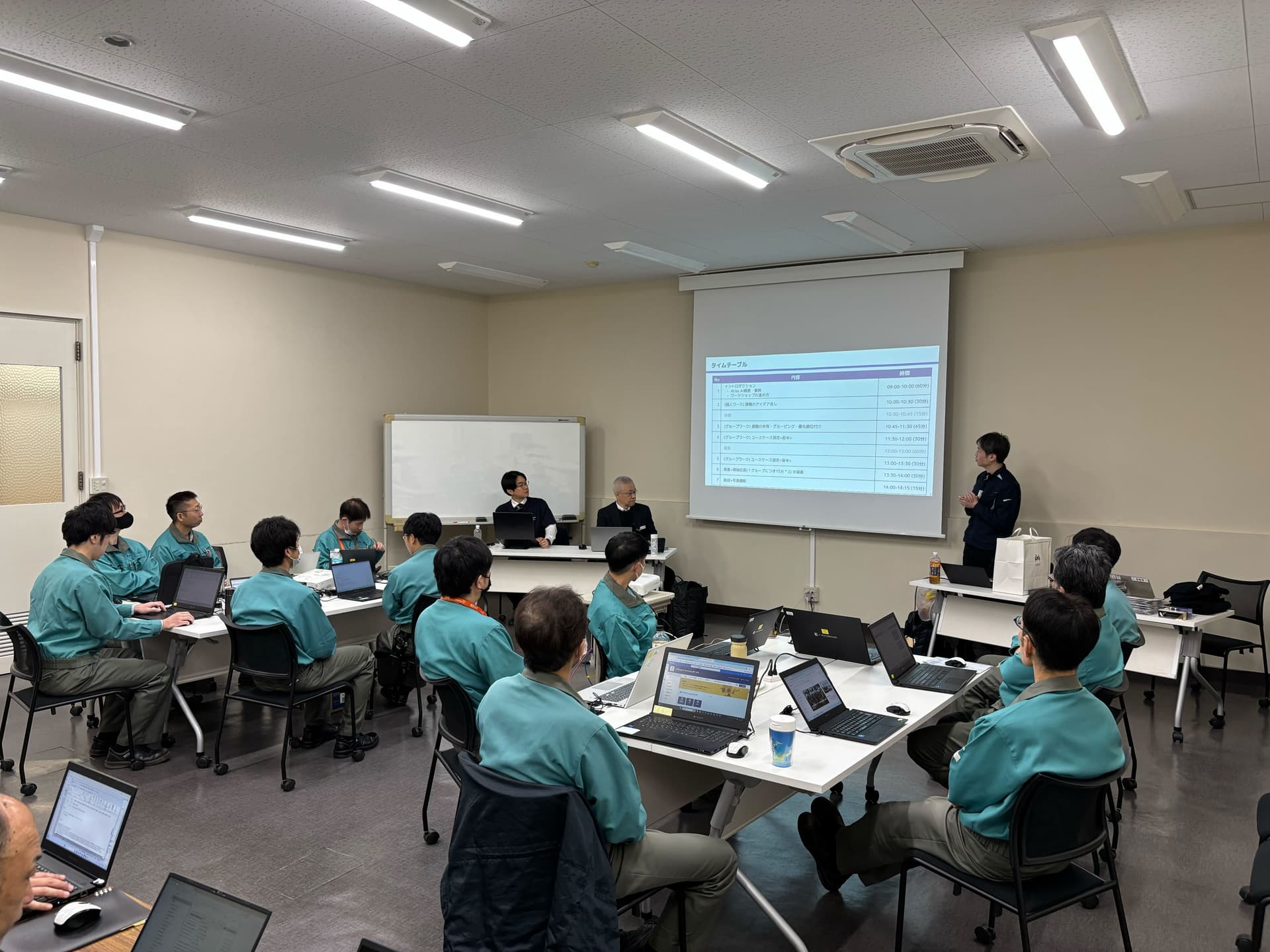
Tokuyama expects an efficiency improvement of 200 million yen annually through the implementation of Cognite Data Fusion. Tokuyama plans to complete the rollout to all nine manufacturing departments at the Tokuyama Factory by March 2026, evolving the site into a manufacturing environment where people and equipment harmonize to maximize performance.